
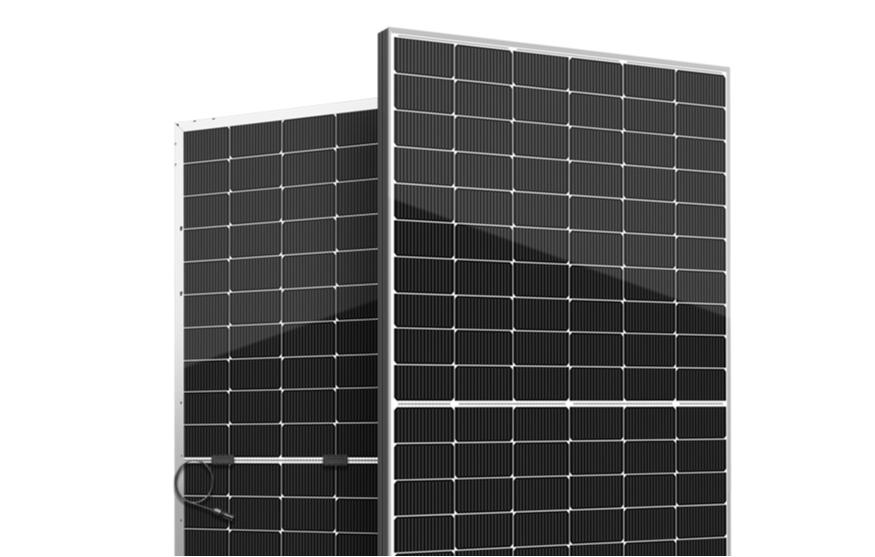
440W SEG Solar Yukon N Series Bifacial Solar Panel
Product Description:
Product highlights:
- Super High Power BiFacial Mono Perc Module: Higher sensitivity on front & backside; 430W-445W Power Output Range; Heavy Snow and Wind Load.
- Bifacial module exceeding 445 W: 182mm PERC cells; Half Cut Technology; Efficiency up to 22.79%; Power range 445 – 460 W; High Density Encapsulation; Bifaciality is as high as 80%.
- Built for Harsh Conditions: Certified for: Heavy snow loads; High winds; Hail resistance; Fire safety standards; Designed to perform in demanding Alaska environments.
- Premium Solar Performance: Built for Alaska. Designed with advanced N-Type TOPCon technology and dual-glass bifacial construction, these premium panels help maximize solar production while delivering sleek all-black aesthetics perfect for residential and commercial installations.
- Premium All-Black Appearance: A sleek, modern panel design that looks clean and professional on any home or commercial property. 30-Year Warranty Protection. Industry-leading warranty coverage for both product performance and long-term power output.
- Easy to Install, Wide Applications: At Renewable Energy Systems, we focus on high-quality solar equipment designed to deliver dependable long-term value for Alaska homeowners and businesses.
- SEG Solar 440W panels offer: Excellent long-term production; Strong cold-weather performance; Durable bifacial construction; High energy density; Premium appearance; Proven reliability.
About the System
Solar power systems designed for recreational vehicles and boats to charge batteries and run onboard loads.
Product Specifications:
- Energy Type: Solar
- Suitable for: Commercial, Residential
- Specialties: Marine, RV
Have questions?
How do we begin planning a commercial renewable energy project?
Contact RES with your project location, facility type, current energy sources, approximate energy requirements, and operational goals.
Does RES offer commercial system maintenance and support?
Yes. RES provides operations and maintenance services, including monitoring, preventative maintenance, battery testing, troubleshooting, repairs, and system upgrades.
Can renewable energy reduce operating costs for an Alaska business?
Renewable energy may help reduce electricity purchases, fuel consumption, or exposure to changing energy costs. Actual financial benefits depend on system design, energy demand, utility rates, fuel costs, project location, and installation expenses.
Does RES work on commercial energy projects in remote Alaska?
Yes. RES serves customers across Alaska, including rural and remote locations.
Can RES integrate renewable energy with existing generators or electrical systems?
Yes. RES designs hybrid power systems that can combine renewable generation, battery storage, generators, and existing electrical infrastructure.
What types of commercial renewable energy systems does RES install?
RES designs and installs commercial solar, battery storage, backup power, hybrid energy systems, and supporting electrical infrastructure. RES also offers geothermal solutions.
What information does RES need to design a remote power system?
Useful starting information includes your project location, what equipment needs power, expected energy use, seasonal or year-round operation, existing electrical equipment, available generators or charging sources and your priorities for backup and reliability. RES can use that information to help determine what additional site assessment or system planning is needed.
Can solar be used on a boat?
Solar can contribute to battery charging and onboard electrical needs in marine applications. The appropriate system depends on the vessel, available installation area, electrical loads, battery system and other charging sources.
Does RES provide solar and battery systems for RVs?
Yes. RES works with RV and mobile power applications. System design can account for available installation space, expected loads, battery capacity and available charging sources.
Can RES help with remote cabins?
Yes. Cabin systems can be designed around seasonal or year-round use, expected electrical loads, available renewable resources, battery storage and backup power requirements.