
Weekend Cabin Kit
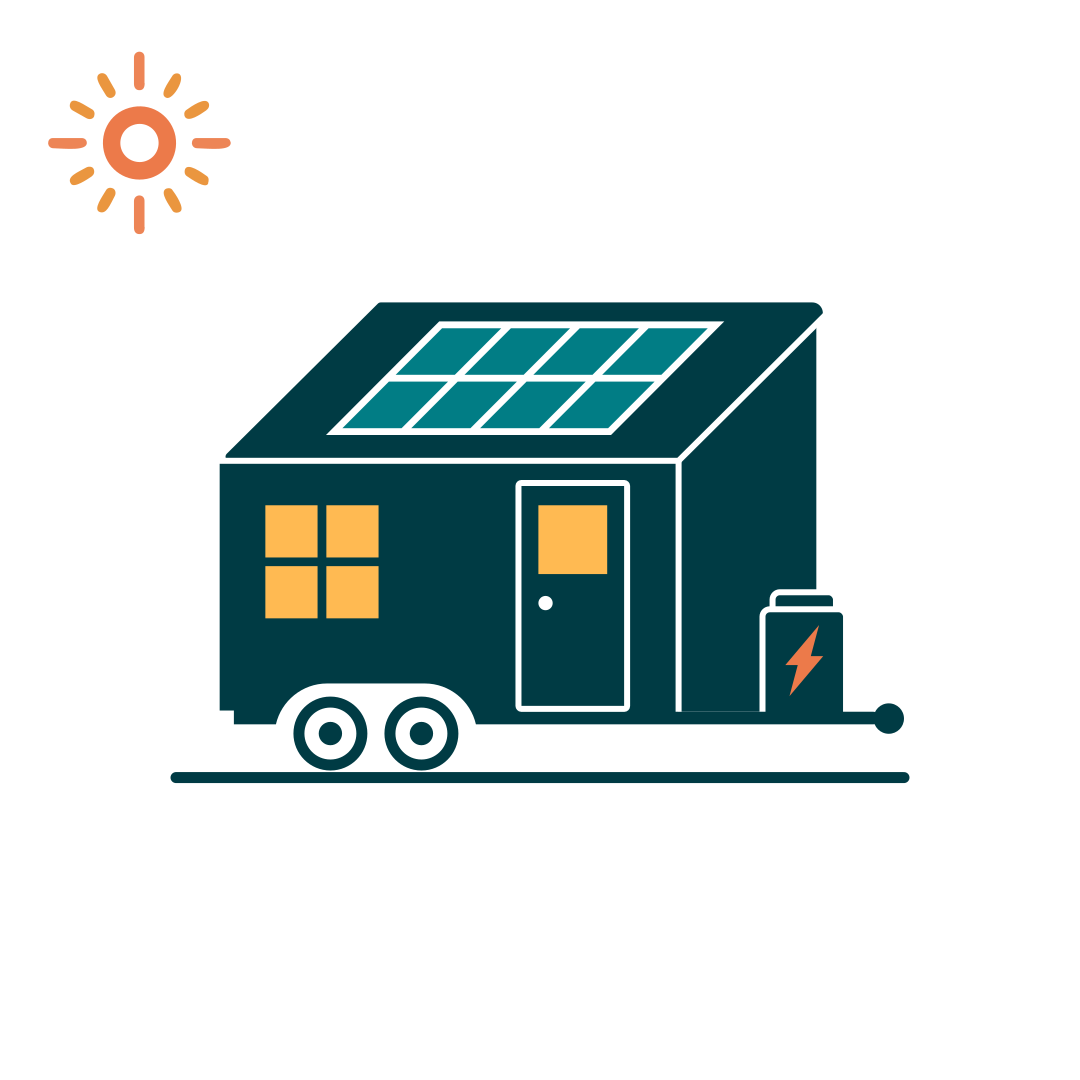
Product Description:
Small cabin power system with a toyo stove, refrigerator, LED lights, and general purpose outlets; great small scale power solution.
Includes:
- 1 Canadian Solar 395W black on black Monocrystalline Solar Panel
- Midnite Solar Kid MPPT Charge Controller with Breakers
- Two Surrette S6GC2-HC 6V deep cycle golf cart solar batteries
- Xantrax XC2000, 120V, 2000W, 80A charger integrated display
- System Control Panel Remote Display
- Inverter and Battery Cables, Solar Panel Wiring
About the System:
Standalone solar power systems designed to operate independently from the utility grid. Go with the best power equipment designed for and by Alaskans!
System highlights:
- Off-Grid Solar Power: Solar Power for Cabins, RVs, Boats and Home Power Back-up
- Clean, quiet power with Solar
- Custom power solutions for your RVs, Cabin, Homestead, Modern Off-Grid Home, and Lodges
- Pre-built, easy to install, modular and expandable.
Product Specifications:
- Energy Type: Solar
- Suitable for: Commercial, Residential
- Specialties: Marine, RV
Have questions?
Does RES design backup power for clinics and schools?
RES works with residential, commercial, and remote applications and can evaluate storage, generator integration, electrical infrastructure, controls, and ongoing support as one system.
How does cold weather affect where batteries are installed?
Alaska temperatures affect battery performance and charging, so siting, enclosures, and heating are part of the design.
Why combine batteries with a generator instead of choosing one?
Batteries carry loads instantly and silently, while a generator extends runtime when the outage outlasts stored energy.
Can a battery system keep a facility running through a multi-day winter outage?
Runtime depends on the critical-load profile, battery capacity, and whether a generator or solar recharges the system. RES designs to a runtime target agreed with the facility.
How does a business decide which loads a backup system should carry?
RES starts with an energy audit and load calculations to separate critical loads (refrigeration, servers, medical or process equipment, life-safety lighting) from loads that can wait. The critical-load list drives battery capacity, generator size, and the electrical integration design.
How do we begin planning a commercial renewable energy project?
Contact RES with your project location, facility type, current energy sources, approximate energy requirements, and operational goals.
Does RES offer commercial system maintenance and support?
Yes. RES provides operations and maintenance services, including monitoring, preventative maintenance, battery testing, troubleshooting, repairs, and system upgrades.
Can renewable energy reduce operating costs for an Alaska business?
Renewable energy may help reduce electricity purchases, fuel consumption, or exposure to changing energy costs. Actual financial benefits depend on system design, energy demand, utility rates, fuel costs, project location, and installation expenses.
Does RES work on commercial energy projects in remote Alaska?
Yes. RES serves customers across Alaska, including rural and remote locations.
Can RES integrate renewable energy with existing generators or electrical systems?
Yes. RES designs hybrid power systems that can combine renewable generation, battery storage, generators, and existing electrical infrastructure.